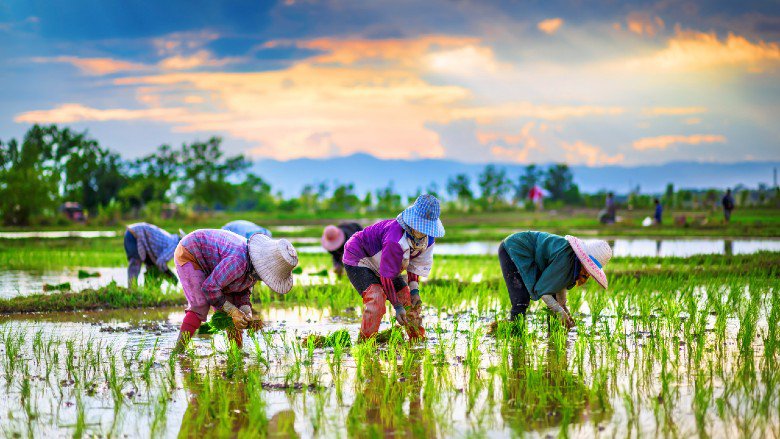
The people of Cambodia, known as Cambodians or Khmer, are the heart and soul of the country. The majority of Cambodia's population, about 90%, belongs to the Khmer ethnic group, which has a history that dates back over a millennium. The Khmer language, which is the official language of Cambodia, is a key component of their cultural identity. Khmer is used in government, education, and media, and is the medium through which much of Cambodia's rich cultural heritage has been passed down through generations. Cambodia is also home to several minority ethnic groups, each contributing to the country's cultural diversity. The Cham people, who are predominantly Muslim, are one of the largest minority groups and have their own language and cultural practices. The highland tribes, often referred to as the "Khmer Loeu," inhabit the remote mountainous regions of Cambodia. These groups include the Bunong, Tampuan, and Jarai, among others, each with distinct languages, traditions, and ways of life. The cultural practices of these groups are often tied to the natural environment, reflecting a deep connection to the land.
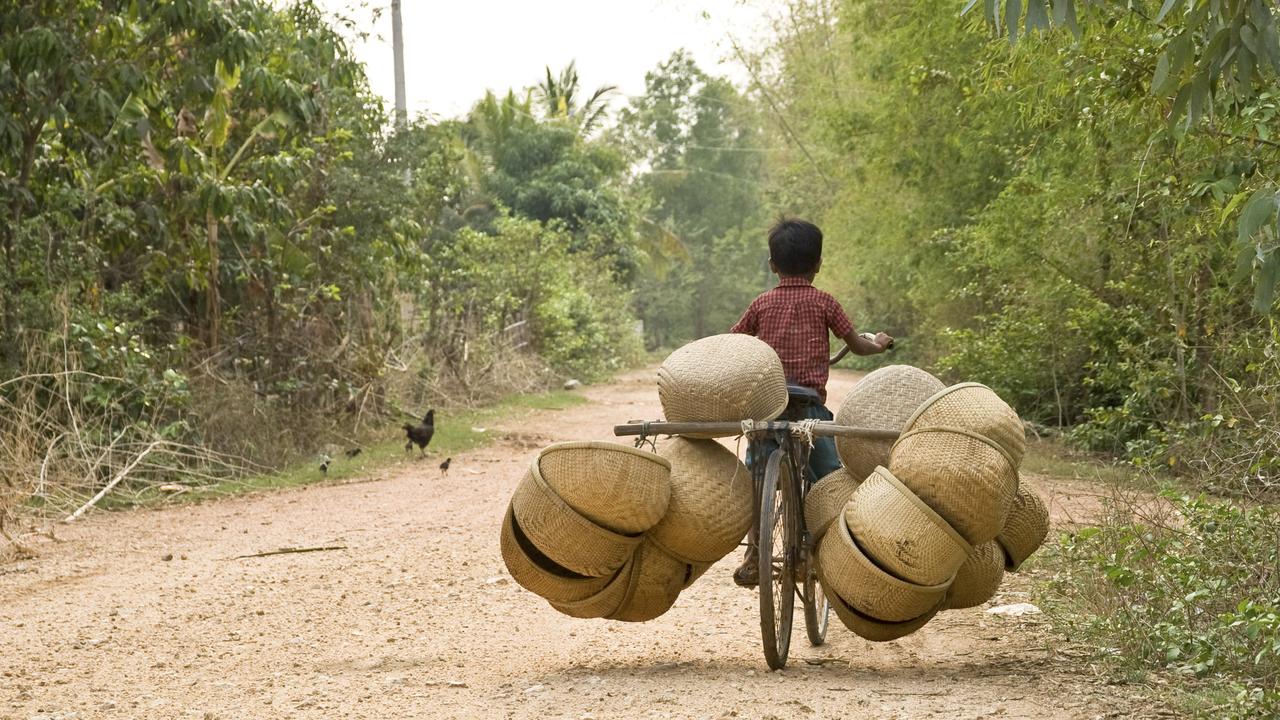
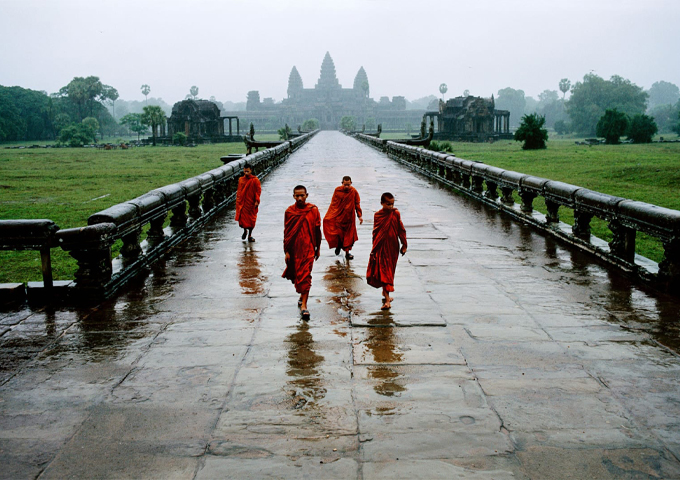
Religion plays a central role in the lives of Cambodians, with Theravada Buddhism being the dominant faith practiced by about 95% of the population. Buddhism influences many aspects of daily life, from the moral and ethical values that guide social behavior to the ceremonies and rituals that mark important life events. Monks are highly respected in Cambodian society, and many young men spend time as novices in pagodas, where they study Buddhist teachings and contribute to the community. Family is the cornerstone of Cambodian society, with strong bonds between relatives forming the foundation of social life. Extended families often live close to one another, and there is a deep sense of responsibility towards caring for elderly parents and supporting siblings. This family-oriented culture is reflected in the way Cambodians celebrate festivals, such as Khmer New Year and Pchum Ben, which are times for families to come together, pay respects to ancestors, and strengthen their communal ties. Cambodia's history has had a profound impact on its people, particularly the events of the Khmer Rouge era, which resulted in immense suffering and loss. Despite these hardships, the Cambodian people are known for their resilience, warmth, and generosity. Hospitality is a key part of Cambodian culture, with visitors often being welcomed with open arms and treated as honored guests. This spirit of kindness and community is one of the defining characteristics of the Cambodian people, making the country not just a place of historical and cultural interest, but also a place of profound human connection.
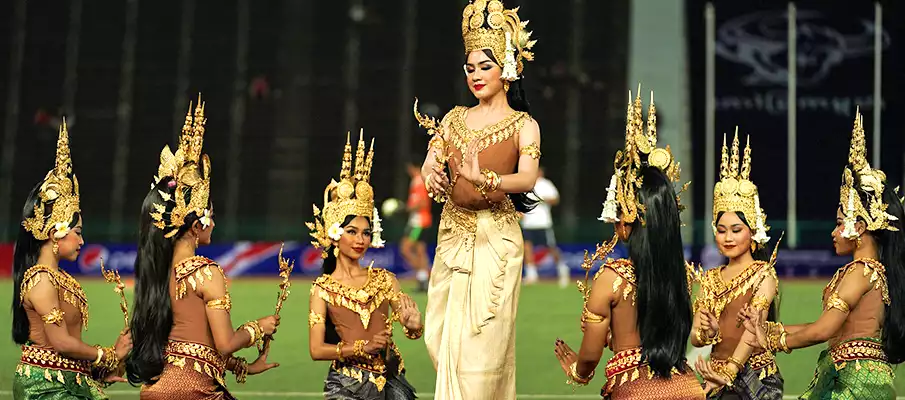
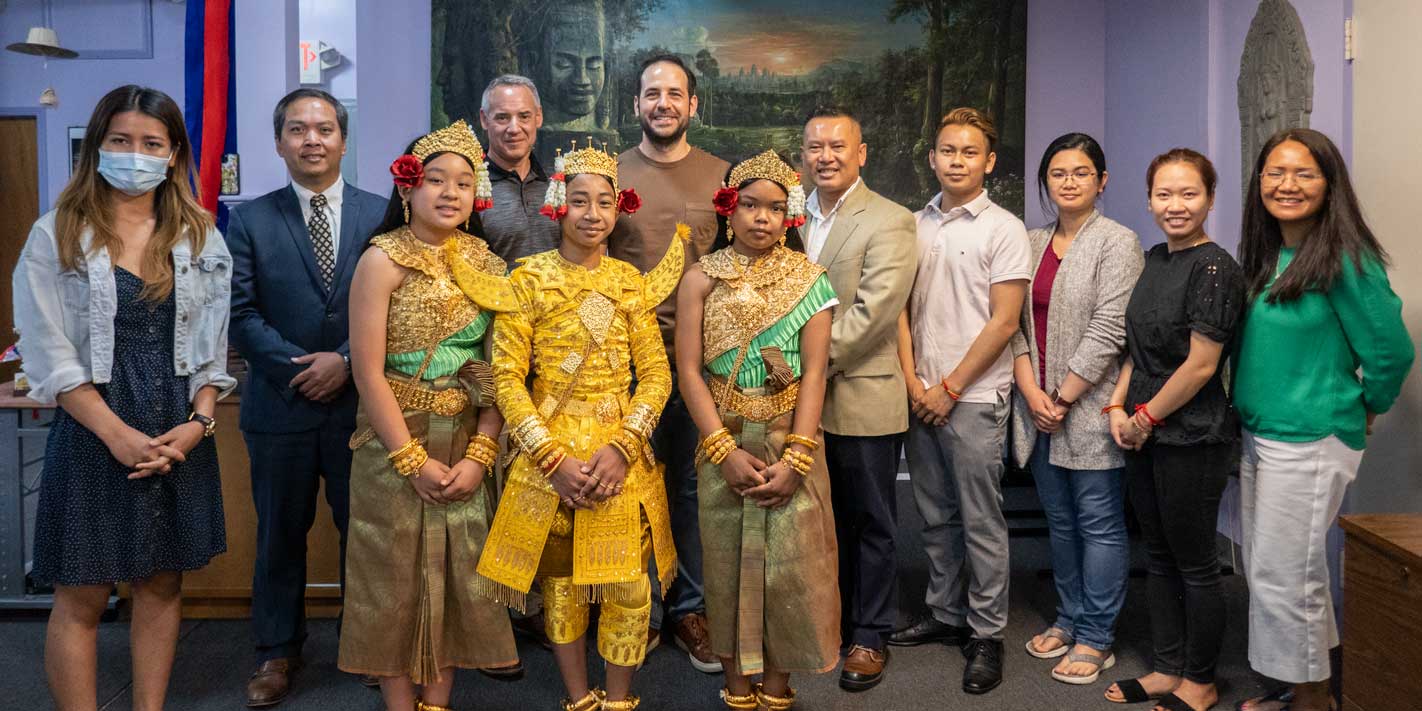
Cambodia's culture is a rich tapestry of traditions, beliefs, and practices that have been shaped by its long history and diverse influences. At the heart of Cambodian culture is Buddhism, which plays a central role in the daily lives of the majority of Cambodians. Theravada Buddhism, the predominant form of Buddhism in Cambodia, influences everything from religious ceremonies to social customs and values. Monasteries, known as pagodas, are found throughout the country, serving as centers of community life and spiritual practice. One of the most iconic expressions of Cambodian culture is its classical dance, particularly the Apsara dance, which has its roots in the royal courts of the Khmer Empire. Apsara dancers, dressed in elaborate costumes and adorned with gold jewelry, perform graceful and symbolic movements that tell stories of gods, heroes, and mythical creatures. This dance, along with other forms of traditional music and theater, continues to be an important part of Cambodia's cultural heritage and is often performed at cultural events and festivals.

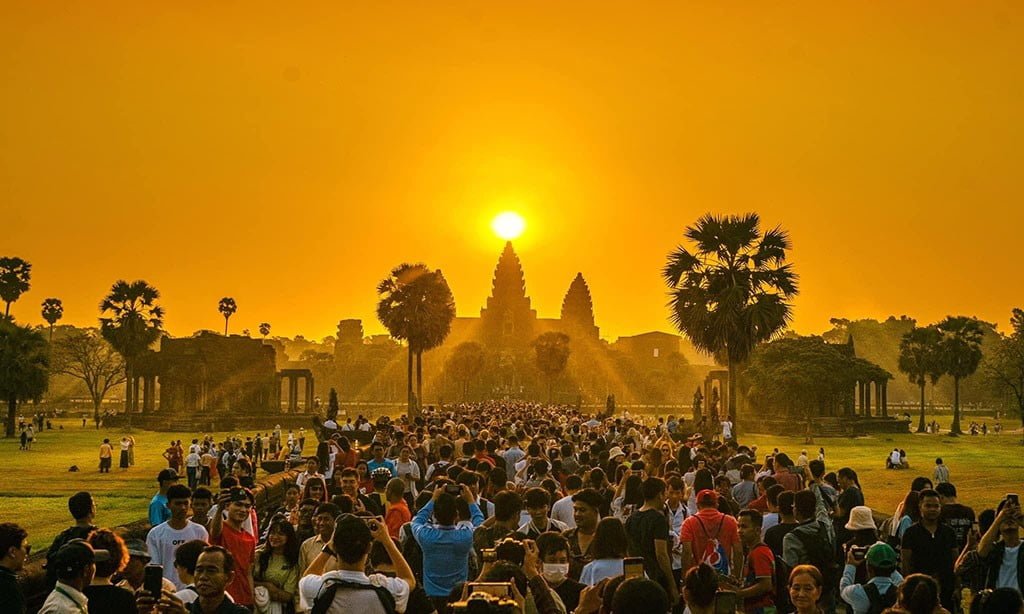
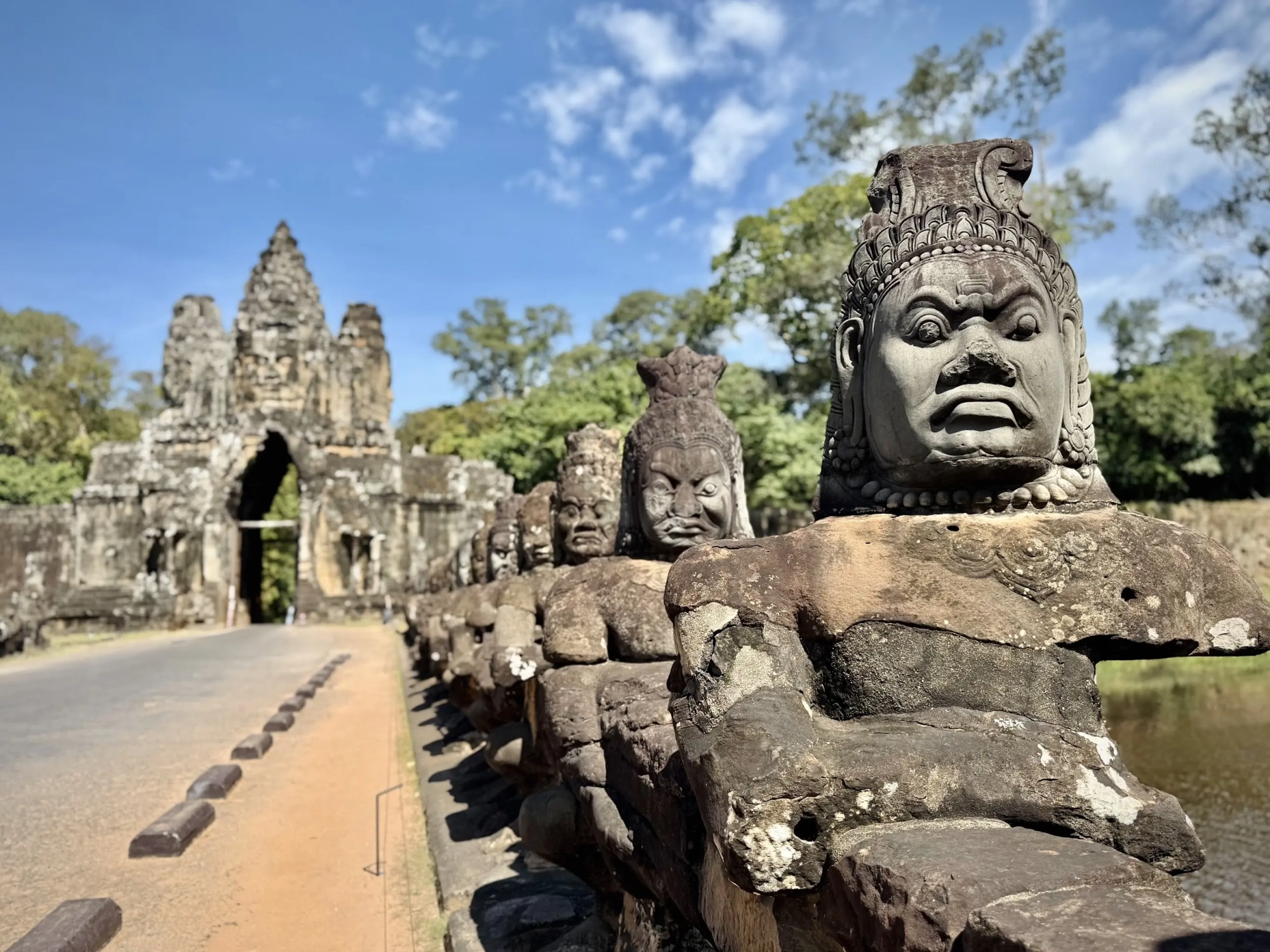
Cambodian festivals are vibrant and deeply rooted in the country's cultural and religious traditions. One of the most important festivals is Khmer New Year, celebrated in April, which marks the end of the harvest season. The festival is a time of renewal, with families coming together to pay respects to ancestors, make offerings at pagodas, and engage in traditional games and dances. Another significant festival is Pchum Ben, a 15-day religious event where Cambodians honor their ancestors by making food offerings to monks and visiting pagodas. Cambodia's arts and crafts are another vital aspect of its culture, with a long tradition of silk weaving, pottery, wood carving, and stone sculpture. The intricate designs and techniques used in these crafts have been passed down through generations, often reflecting the themes and motifs found in ancient Khmer art. For example, the bas-reliefs of Angkor Wat depict scenes from Hindu epics such as the Ramayana and Mahabharata, as well as everyday life during the Khmer Empire. These artistic traditions continue to thrive today, with artisans and craftsmen working to preserve and promote Cambodia's cultural heritage. The Cambodian language, Khmer, is a crucial component of the country's cultural identity. Khmer is not only the official language of Cambodia but also a key medium through which the nation's history, literature, and oral traditions have been transmitted. The language has its roots in the ancient Khmer script, which was influenced by the Indian Brahmi script and has evolved over centuries. Khmer literature, particularly classical poetry and folk tales, remains an important part of Cambodian culture, offering insights into the values, beliefs, and experiences of the Cambodian people.