


Description
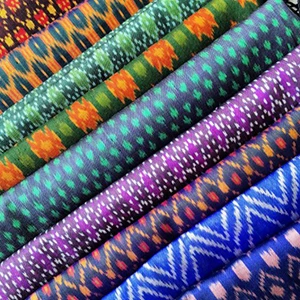
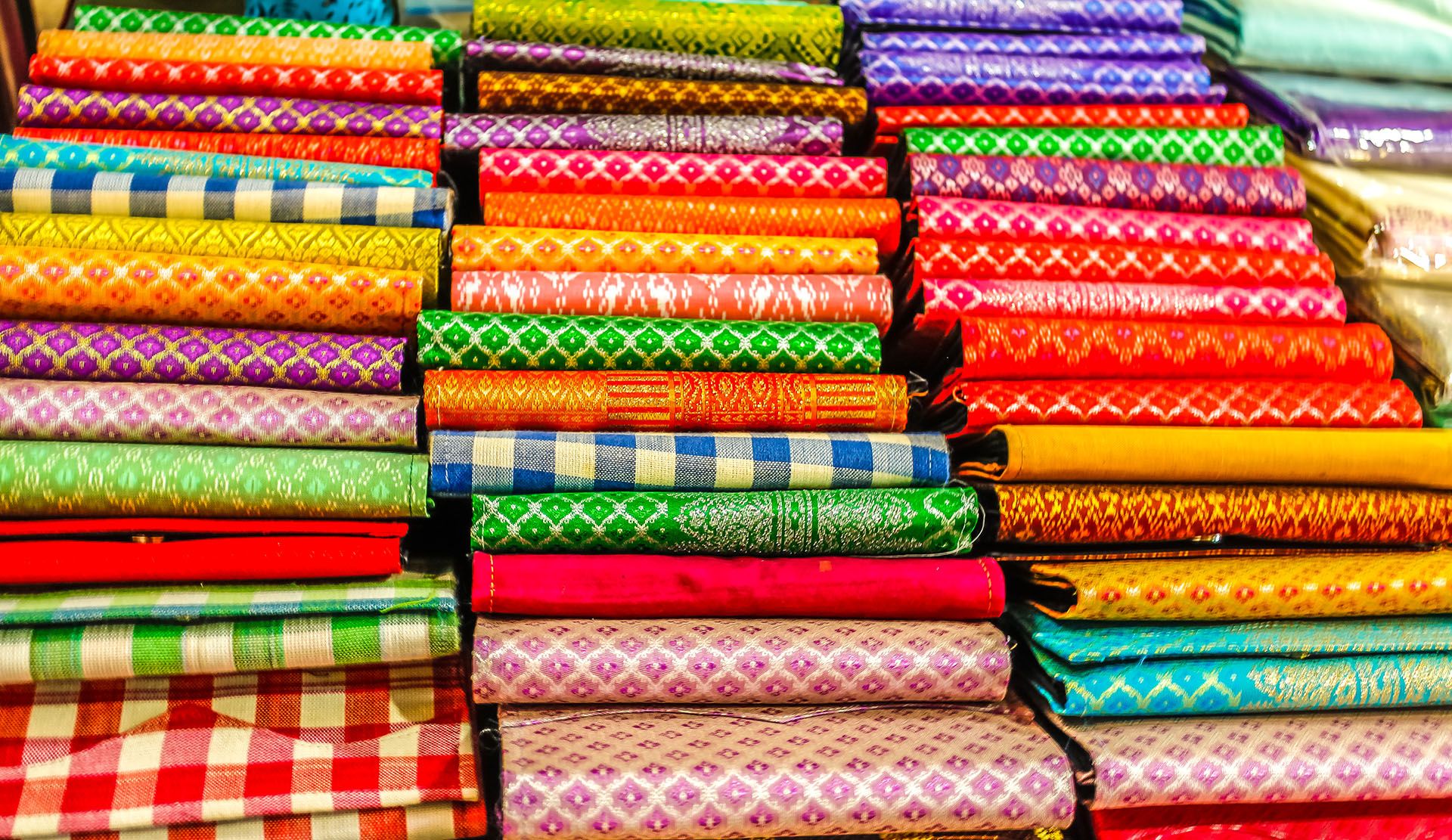
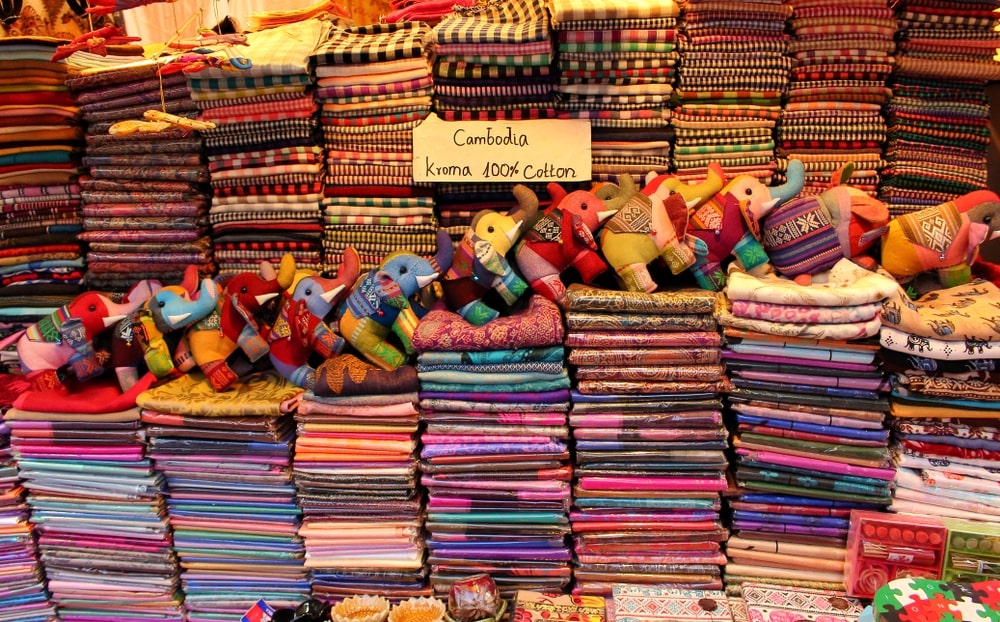
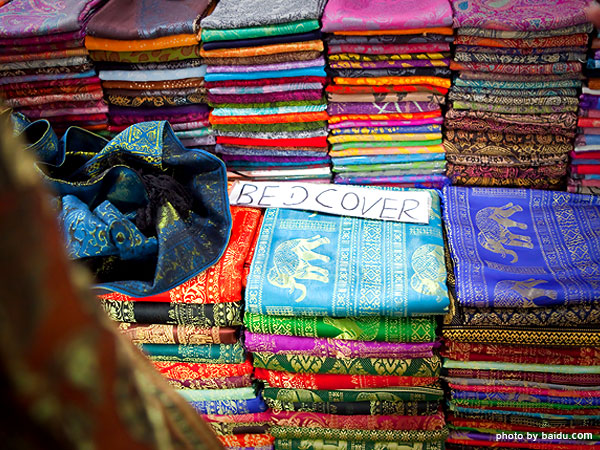
Cambodian traditional textiles are an integral part of the country’s cultural heritage, representing centuries-old artistry and craftsmanship. From the intricate designs to the vibrant colors, each textile tells a unique story.
Incorporating Traditional Techniques into Modern Designs
Contemporary adaptations of Cambodian traditional textiles are not just limited to fashion. Artists and designers are also incorporating traditional techniques into modern home décor and art pieces.
For example, contemporary ceramic artists are using traditional Cambodian motifs and designs to create stunning pieces of pottery. These pieces often feature intricate patterns and designs that are reminiscent of traditional Cambodian textiles.
Overall, contemporary adaptations of Cambodian traditional textiles pay homage to the rich cultural heritage of Cambodia while also showcasing the artistry and craftsmanship of modern designers and artists.
Preservation and Promotion of Cambodian Traditional Textiles
The cultural significance of Cambodian traditional textiles has led to numerous efforts aimed at their preservation and promotion. These efforts are essential in ensuring that the artistry and craftsmanship involved in creating these textiles are passed down to future generations.
Many artisans and organizations are actively involved in preserving Cambodian traditional textiles. Artisans often come together to form cooperatives, where they pool their resources and knowledge to produce traditional textiles. These cooperatives help preserve traditional techniques and share knowledge among artisans.
Organizations such as the Textile and Fashion Federation (CAMBODIA) are also playing a significant role in preserving and promoting Cambodian traditional textiles. The federation works with artisans, designers, and other stakeholders to raise awareness about the significance of these textiles and promote their use.
The Cambodian government has also taken steps to preserve traditional textiles. In 2015, the Ministry of Culture and Fine Arts launched a project aimed at documenting and promoting traditional textiles. The project involved creating a database of traditional textiles and documenting the techniques used in creating them. The project also sought to promote the use of traditional textiles in contemporary fashion and design.
In addition to preservation efforts, there are also initiatives aimed at promoting Cambodian traditional textiles. These initiatives include fashion shows, exhibitions, and other events that showcase these textiles. Such events help raise awareness about the importance of traditional textiles and promote their use in contemporary fashion and design.
The promotion of Cambodian traditional textiles is also aided by the growing interest in sustainable fashion. Consumers are increasingly interested in clothing that is made using traditional techniques and sustainable materials. This interest presents an opportunity for Cambodian traditional textiles to gain wider recognition and acceptance.
The Future of Cambodian Traditional Textiles
The future of Cambodian traditional textiles is promising, with continued efforts to preserve and promote this cultural heritage. However, contemporary adaptations and the changing market present challenges that must be addressed.
On one hand, the increasing interest in sustainable and handmade products has created opportunities for Cambodian traditional textiles to thrive. Artisans and organizations are promoting the unique artistry and craftsmanship of Cambodian textiles, and collaborations with designers and fashion brands have brought them to a wider audience.
On the other hand, the availability of cheaper, mass-produced textiles threatens the traditional market and the livelihoods of artisans. Moreover, the limited number of skilled weavers and dyers, who are mainly elderly, poses a risk to the sustainability of traditional techniques.
Efforts are being made to address these challenges. The government has implemented policies to support local artisans and traditional techniques, and organizations are providing training and education to a new generation of weavers. Contemporary adaptations are also introducing new designs and styles that appeal to modern consumers while preserving the traditional techniques.
The future of Cambodian traditional textiles depends on the collective efforts of artisans, organizations, and the government to ensure their preservation and promotion. Their unique artistry and cultural significance must be preserved for future generations, and creative innovations must be embraced to ensure their relevance in a changing world.
Conclusion
In conclusion, Cambodian traditional textiles have a rich history and hold significant cultural value. The intricate artistry and craftsmanship involved in creating these textiles have been passed down through generations, preserving ancient techniques and skills.
Although traditional textiles face challenges in preserving their heritage and adapting to contemporary demands, efforts by artisans, organizations, and the government aim to promote and sustain their use.
The incorporation of traditional techniques into modern designs showcases the potential for innovation and growth in the industry.
It is essential to recognize the importance of preserving Cambodian traditional textiles as a means of safeguarding cultural heritage and promoting artistic craftsmanship for future generations.
From $75.00
per adultAdult x 3
10:30 AM
Free cancellation. Cancel anytime before 3 days for full refund.