


Description
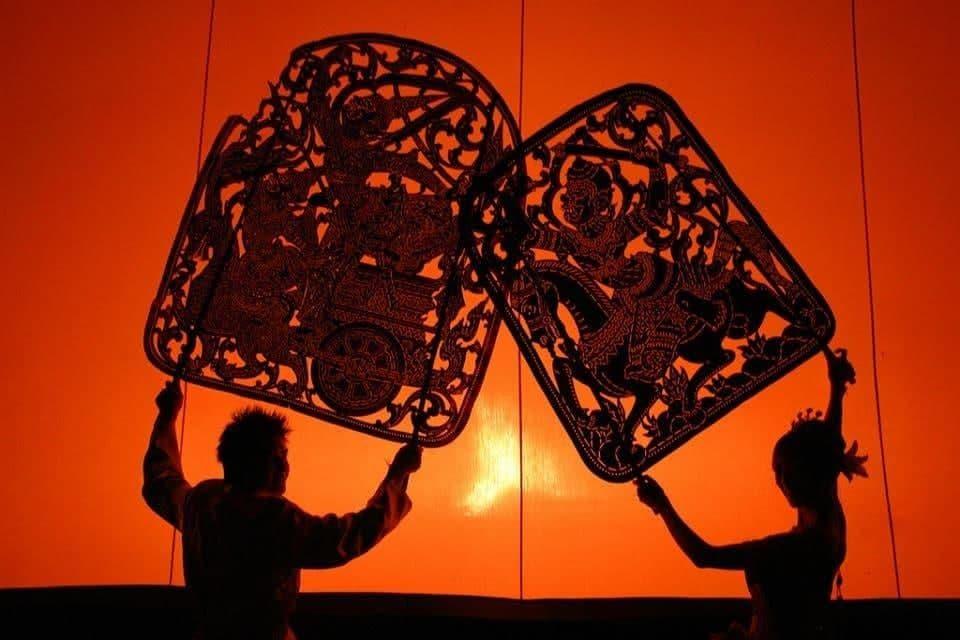
Before the advent of cinema and television, Cambodians enjoyed watching and entertaining themselves with traditional shadow theatre, or lakhon thum thum. With the advancement of mass entertainment, especially technology and new media, including Facebook and YouTube, the popularity of traditional shadow theatre has declined, becoming an art form that is not popular. Moreover, this art form is at risk of extinction if it is not preserved and maintained. Today, lakhon thum thum is not very well known or popular among young people.
Lakhon thum thum is one of the oldest performing arts forms in Cambodia. This theatre may be related to the royal ceremonies of the king, which were performed alongside other performing arts forms, such as lakhon thum thum tok (lakhon thum tok) and royal dance during the ancient Khmer period. Furthermore, the fact that these theatre forms were associated with the ancient Khmer cities of Siem Reap and Battambang confirms the idea of royal ceremonies. Jacques Brunet added, “This form is sometimes called “naang thum luang” and is an old performing art form in Cambodia.” Professor Chheng Phon once said, “According to the analysis of Khmer art, we can assume that shadow puppetry originated long before the Angkor period.” Pich Tumkravel wrote in his book on the large-scale shadow puppetry that the art of shadow puppetry flourished during the Angkor period. The large-scale shadow puppetry only performed scenes from the Ramayana, which the Khmer call “Rama Kerut.” The large-scale shadow puppetry was projected onto the screen to create shadows. In Cambodia today, there are three types of shadow puppetry: small shadow puppetry (small shadow puppetry), large shadow puppetry (painted shadow puppetry), and large shadow puppetry (large shadow puppetry). It should also be noted that the large-scale shadow puppetry is a medium-sized puppetry, not intended for performance as a shadow puppetry, and is performed during the day.
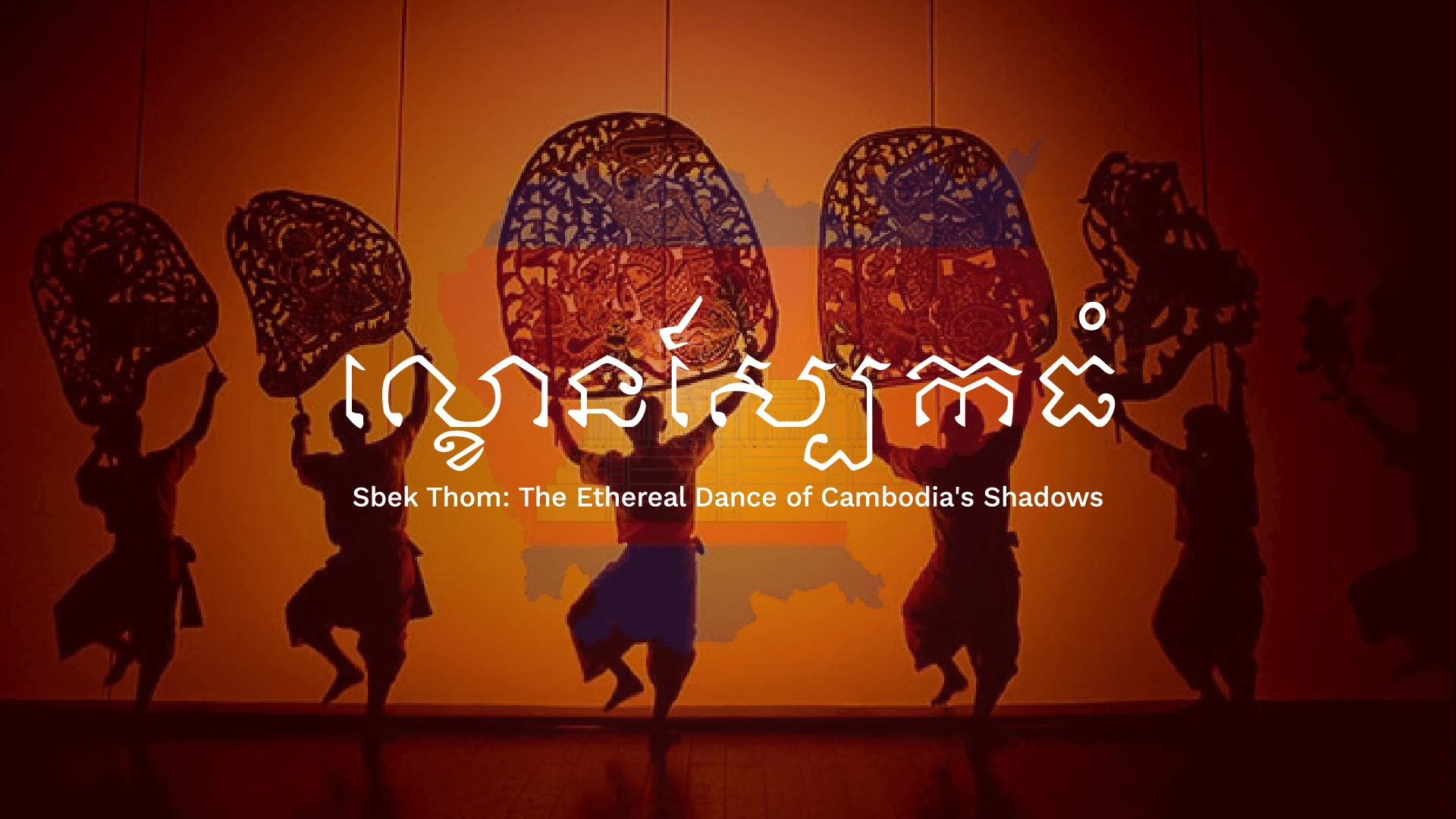
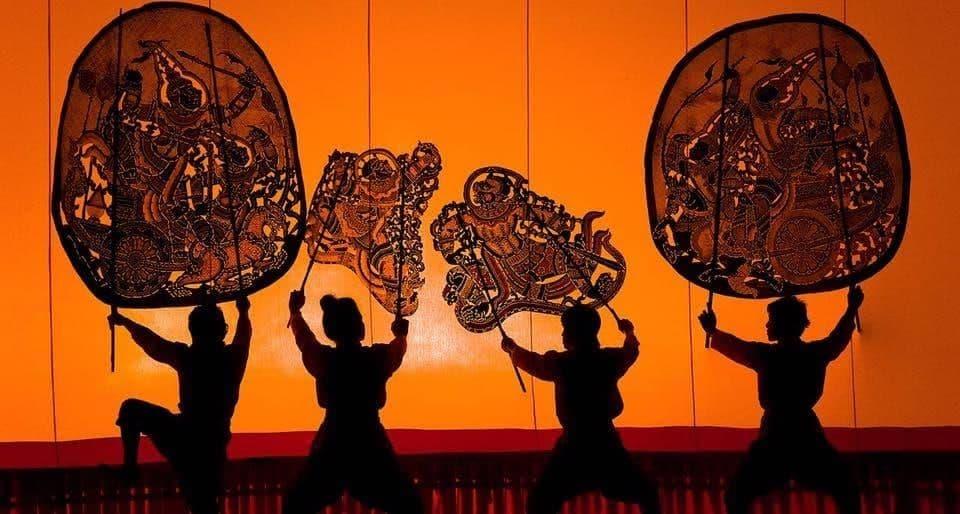
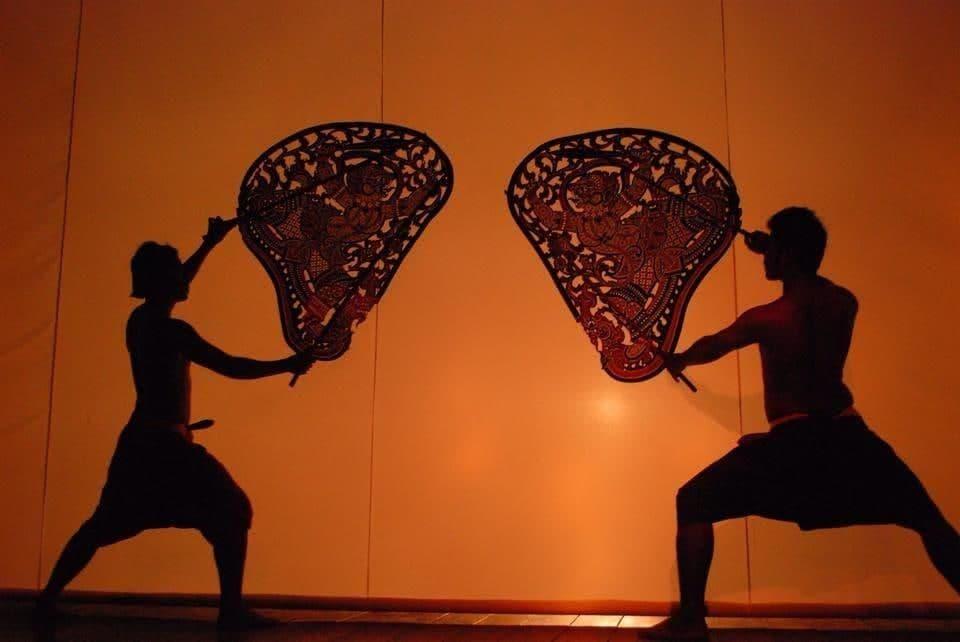
The large-scale shadow puppetry is an art form that combines music, songs, poetry, puppetry, painting, sculpture, sculpture, dance, and choreography. In the past, the skin weavers were all men (nowadays we see women weavers too) weaving their skins in front of and behind a white canvas with a fire, either by burning a torch or a dried coconut (in the past) or using a projector (in the modern era). Burning a torch or a coconut is preferred because it produces more vivid shadows than the modern firework. The performances of the big skin weavers are mostly held at night, during national or religious festivals. The skin weavers of the big skin weavers can be up to two meters high and weigh up to seven kilograms. The big skin weavers do not have clear arms and mouths like the skin weavers of the small skin weavers. The skin weavers, who are also dancers, hold each skin weavers, placing the skin weavers against the white canvas with the fire. We, the next generation, have the duty to continue to understand, love, value, preserve, promote and promote this valuable art form for the future. Efforts and production must be meaningful and necessary for the youth, who are the future cultural heirs. When they understand, appreciate and value, they will realize their duty and obligation to preserve and maintain cultural heritage.
Original article: Dr. Sam Sam Ang
From $75.00
per adultAdult x 3
10:30 AM
Free cancellation. Cancel anytime before 3 days for full refund.